How to Choose an Audition Monologue: A Practical Method for Actors
A cold read tests what you can do with a page you have never seen. A monologue tests the opposite: what you do with a speech you chose, prepared and lived with for weeks. Because the choice is yours, it says a lot about you before you speak, and a poor choice can sink good acting. This guide sets out a method for choosing, from reading the audition notice to timing the final cut.
It sits alongside our guides to preparing a cold read, where the material is handed to you, and recording a self-tape, which is now how many first-round monologue auditions are delivered.
Start with the notice, not the anthology
Every audition sets its own rules, and the most common mistake is a strong speech that breaks them. Before you open a single play, write down what the notice asks for:
- How many pieces, and whether they must contrast.
- Period or style: classical, contemporary, verse, a particular author or the season's plays.
- Maximum length, and whether it includes your introduction or slate.
- Source restrictions: plays only, or film and television allowed; original writing allowed or not.
- Format: in the room, on self-tape, or one followed by the other.
Drama schools tend to be the most specific. The Royal Academy of Dramatic Art's admissions procedure for 2026 entry, for example, asks for a self-tape with a one-minute introduction and two speeches of no more than two minutes each: a classical piece from Shakespeare or another Elizabethan or Jacobean playwright, originally written in English, and a contrasting contemporary piece written after 1960. It also asks applicants to choose from plays rather than film or television, and to pick at least one character close to their own age. Other schools and companies set different rules, and they change from year to year, so read the current document every time.
Play close to how you will be cast
A monologue is not the place to show your range by playing someone forty years older or a different type entirely. Panels want to see you, in parts you could plausibly be cast in now. Look for characters:
- Near your age. Within a few years either way is safest; a teenager playing King Lear tells a panel little about how to cast them.
- Inside your lived experience or imagination, with a situation you can understand from the inside even if you have never been in it.
- In your own voice. An accent you are not secure in pulls attention onto the accent. RADA's guidance is explicit on this and asks for a natural speaking voice in the classical piece.
Choose a speech that is a scene
The best audition speeches are not essays. They are one side of a scene: a character speaking to someone, for a reason, trying to change something by the end. When you read a candidate, ask:
- Who am I talking to, and what do I want from them? If the answer is "nobody" or "nothing", the speech will be hard to play actively.
- Does something change? Look for at least one turn: a new tactic, a discovery, a decision. A speech that holds one note for two minutes is a long two minutes.
- Does it stand on its own? A panel will not know the play. If the speech only makes sense with ten minutes of context, choose another.
- Is it really a speech? Lines stitched together from a dialogue usually leave holes where the other character spoke. RADA's notes warn against speeches assembled from lines that depend on another character's interjections.
Also be wary of extremes. Characters who are drunk, mad or completely out of control are hard to play well in a bare room, and RADA's list of things to avoid names them specifically. Big emotion is fine; generalised emotion with nowhere to go is not.
Build a contrasting pair
When a notice asks for two pieces, the second should show something the first does not. Contrast can come from:
- Tone: comic against serious, light against dark.
- Energy: a character driving forward against one holding back or thinking aloud.
- Language: heightened verse against naturalistic modern prose.
- Status: someone in command against someone pleading or exposed.
Two angry speeches from two different centuries are not a contrast, even if one is in verse.
Classical speeches
For a Shakespeare or other early modern speech, read the whole play, not just the speech, and use a reliable edition with notes so you know what every word means. The Folger Shakespeare Library publishes free, edited texts of all the plays online, which makes it easy to search for speeches by character. Do not let the verse make you sound reverent; treat it as a person talking under pressure, with the rhythm helping you rather than leading you.
Many actors avoid the most famous speeches for fear of being compared. RADA's own advice is not to worry about how original your choice is, and a well-known speech played specifically is better than an obscure one played vaguely. What matters is that you can make it your own rather than reproducing a performance you have seen, which the same guidance warns against.
Contemporary speeches
Read plays rather than monologue books where you can. Anthologies are useful for finding authors, but the speeches in them circulate widely, and you need the full play anyway to understand who your character is talking to and why. Libraries, play publishers' websites and the scripts of productions you have enjoyed are better hunting grounds. When a notice says "contemporary", check whether it gives a date, as RADA's does: a speech from a play that feels modern may still fall outside the limit.
Time it, cut it, own it
- Time it out loud, at performance pace, with pauses. Silent reading is always faster. If the limit is two minutes, aim to land a little under it so you are never cut off before the turn.
- Cut with care. Removing a few lines to fit a time limit is normal. Keep the shape: the want, the obstacle, the turn and the ending.
- Learn it early. A speech you are still fighting to remember is one you cannot play. Our guide to memorizing lines explains why understanding comes before repetition.
- Prepare to be redirected. Panels often ask you to play the same speech in a different way. RADA's later rounds include work with a director on a speech, looking for the ability to take direction. If you only have one way of doing it, you are not ready.
A shortlist method
Give yourself time. Read widely for a couple of weeks and collect every speech that interests you, then cut the list to about five by checking each against the notice and the questions above. Read those five aloud to a friend or teacher who will be honest. Keep the two that you look forward to doing again, which matters more than it sounds: you may perform them dozens of times across an audition season, and a speech you are bored by will show it.
Sources and further reading
- Royal Academy of Dramatic Art, BA (Hons) in Acting admissions procedure for entry 2026 (PDF).
- Folger Shakespeare Library, Folger Shakespeare editions of the plays, free online texts.
- Related: self-tape setup for recording the finished pieces.
 Reads & auditions
Preparing a cold read
What to do in the minutes you have with the sides, and how to take a redirect.
 Reads & auditions
Self-tape setup
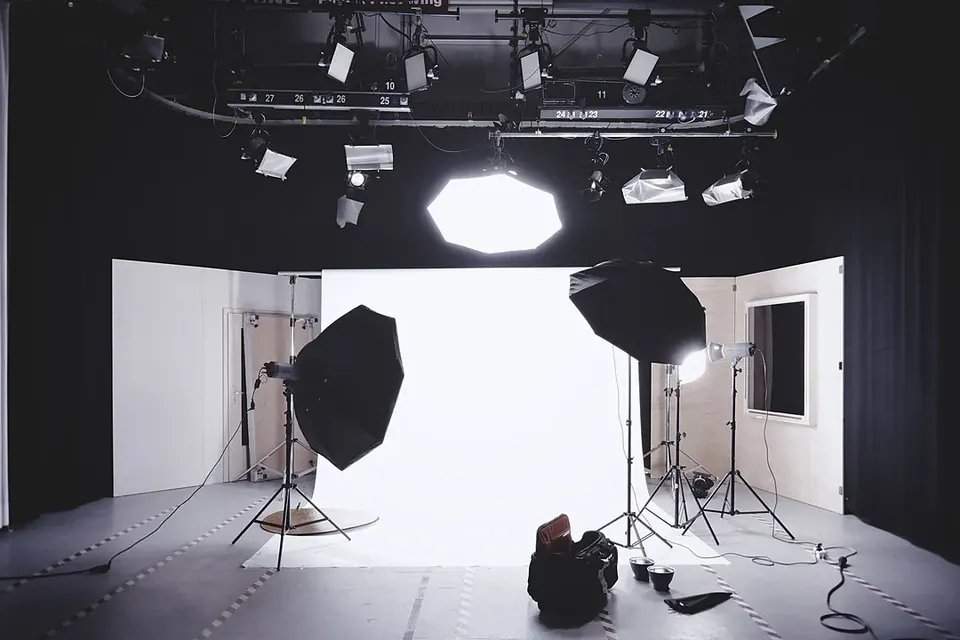
Camera, framing, eyeline, light and sound for a clean audition tape without expensive gear.
 Reads & auditions
How to memorize lines
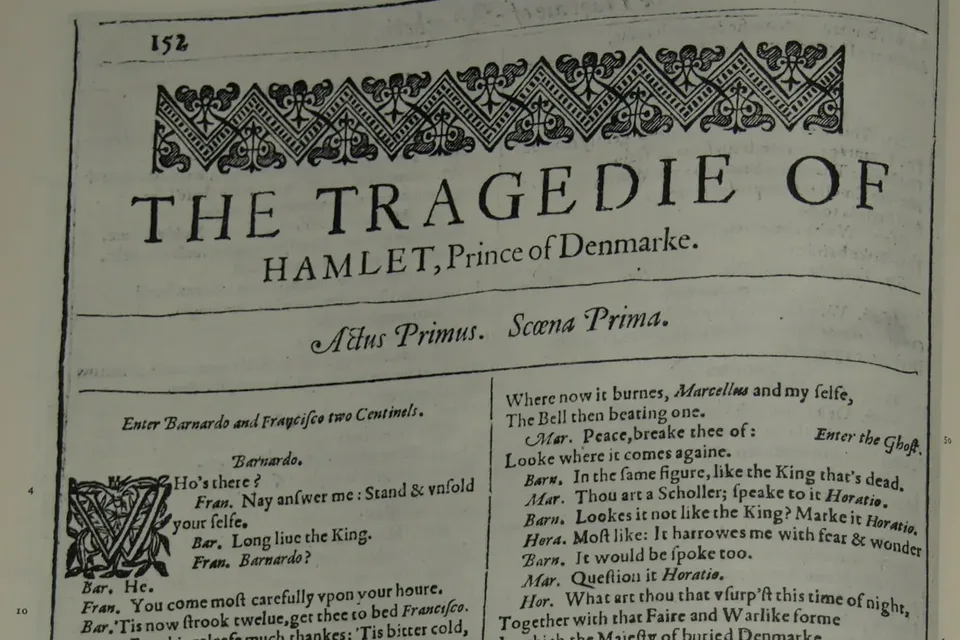
Why actors learn meaning before words, and a research-backed plan for getting off book.