Actor Headshots: How to Choose a Photographer, Plan the Shoot and Pick the Shot
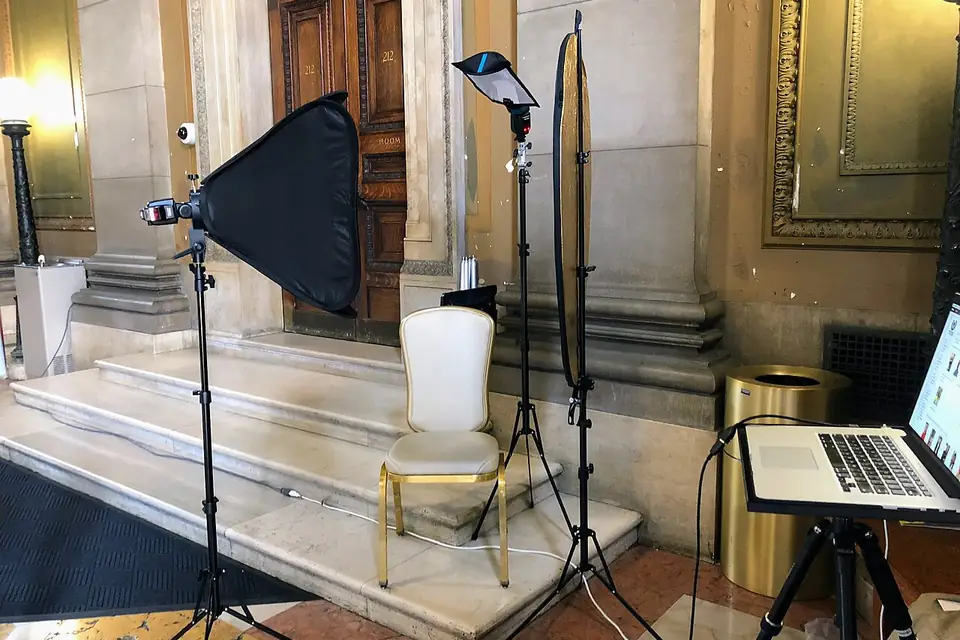
A headshot has one job: to get the right person called in, and then to be recognised when they walk through the door. Casting teams scroll through hundreds of thumbnails for a single role, so the photo is often the only thing they look at before deciding whether to read your credits. It is not a glamour portrait and it is not a mood piece. It is an accurate, well-lit picture of how you look now, with enough life in the eyes that someone wants to meet you.
Conventions differ between markets and between stage and screen, and individual casting notices sometimes ask for something specific. When they do, the notice wins. What follows is the sensible default most working actors start from.
What a casting team is looking for
When a casting assistant opens your profile, the questions are practical. Could this person play the part as written? Is the face clear at thumbnail size? Does the photo look like a real person, today? A headshot that answers those questions quickly does its job, even if it would never win a photography prize.
- Your face, clearly. Most actors lead with a close head-and-shoulders frame, which still reads when shrunk to a small square in a search result. Spotlight, the UK casting directory, advises members to make a close-up head-and-shoulders shot the main photo on their profile for that reason.
- Your eyes, sharp and engaged. Focus on the eyes is the one technical point no one forgives. Looking into the lens, as if at a person, is the usual choice.
- Your current look. Hair length and colour, facial hair, glasses if you wear them on most jobs. If you walk in looking different from your photo, you have wasted the casting director's time and some of your goodwill.
Finding and briefing a photographer
Headshot photography is a specialism. A wedding or fashion photographer can produce beautiful pictures that are useless for casting: too stylised, too retouched, too much background. Look for someone whose portfolio is mostly actors, then check that portfolio for range. If every client looks the same, the photographer has one style and you will get it too.
Recommendations from actors you trust and from your agent, if you have one, are the best starting point. Before you book, ask:
- How long the session lasts, how many looks or outfit changes it includes, and whether you shoot in a studio, outdoors or both.
- How many images you will see on the contact sheet, how many final retouched images the fee includes, and what each extra one costs.
- What retouching is included, and whether you approve the final edit before delivery.
- What licence you get to use the images, and how the photographer wants to be credited.
Then brief them. Tell them the kinds of parts you go up for, the market you work in and what is missing from your current photos. "I keep getting seen for the friend, and I want to be considered for the lead" is far more useful than "something natural". Some actors bring two or three character descriptions from recent breakdowns as a reference; the aim is not to dress up as those characters but to show the photographer the range of work the photos must serve.
What to wear, and what to leave at home
Clothes should disappear. Solid colours that suit your skin tone, simple necklines and good fit work better than patterns, logos, slogans or fine stripes, which pull the eye and can shimmer on screen. Spotlight's own guidance makes the same points: avoid distracting patterns, keep make-up minimal and natural, and leave props, hats and accessories at home.
- Bring options. Two or three tops in different colours and weights let the photographer change the feel between looks, and give you a back-up if a colour does not work under their light.
- Keep grooming close to everyday. If you usually have a beard, arrive with it. If you sometimes work clean-shaven, plan the shave halfway through the session so you leave with both.
- Avoid a fresh haircut. A cut a week or so before the shoot usually looks more like you than one done the day before.
- Glasses only if they are part of how you are cast. Reflections are hard to control, so ask the photographer how they handle them.
On the day
Sleep, water and a light meal do more for a headshot than anything bought in a shop. Arrive early, so the first frames are not taken while you are still out of breath. The opening minutes are usually warm-up; most photographers expect the good images to come later, once you stop posing.
Give the camera something to do. Actors often freeze when told to "just be natural". It helps to treat each look as a short scene: think of a specific person you are speaking to, or run a line or two silently from a speech you know well. A monologue you have already worked on, perhaps one picked with our guide to choosing an audition monologue, gives your face an intention without forcing an expression. Change the thought between frames and the photographer will catch the changes.
Ask to see the back of the camera or the tethered screen now and then. Not to judge every frame, but to check that the framing, the light and the clothes are doing what you discussed while there is still time to adjust.
Choosing from the contact sheet
After the session, the photographer will usually send a contact sheet or online gallery of unedited frames. Choosing from it is harder than it looks, because people are poor judges of their own faces: we tend to pick the frame where we look most flattered, not the one that looks most like us at work.
- Shortlist on your own first, then ask your agent, a teacher or two actor friends who know the business. Spotlight suggests the same: get a second opinion from people who know what casting directors respond to.
- Look at your shortlist as thumbnails. A frame that is lovely at full size may lose the eyes when shrunk.
- Pick for contrast. Two or three images that suggest clearly different parts are worth more than six near-identical smiles.
- Agree the final retouching before it is done. Removing a temporary blemish or a stray hair is normal; changing your skin texture, the shape of your face or your build defeats the point of the photo.
Who owns the photos
Paying for a headshot session does not usually make you the owner of the copyright. Under United States law, the person who creates a work is its author and owns the copyright from the moment it is fixed, unless it is a "work made for hire". For a freelance commission that only applies to certain categories of work and requires a written agreement signed by both sides, which a standard headshot booking rarely has, as the US Copyright Office explains in its circular on works made for hire. UK law has also given the photographer copyright in commissioned photographs since the Copyright, Designs and Patents Act 1988.
In practice, the photographer grants you a licence to use the images to promote your career: casting profiles, your website, printed headshots, festival programmes and social media. Check what the licence covers before you agree, especially for commercial uses such as a show's poster, and credit the photographer wherever the platform allows it. Casting profiles often provide a field for exactly that.
Prints, files and keeping them current
Most casting is now online, but printed headshots are still expected at many in-person auditions and open calls. In the US the standard size is 8 by 10 inches, with your résumé trimmed and attached to the back; our guide to writing an acting résumé covers how the two fit together. Keep a high-resolution master and a smaller file for email and uploads, and name both with your name.
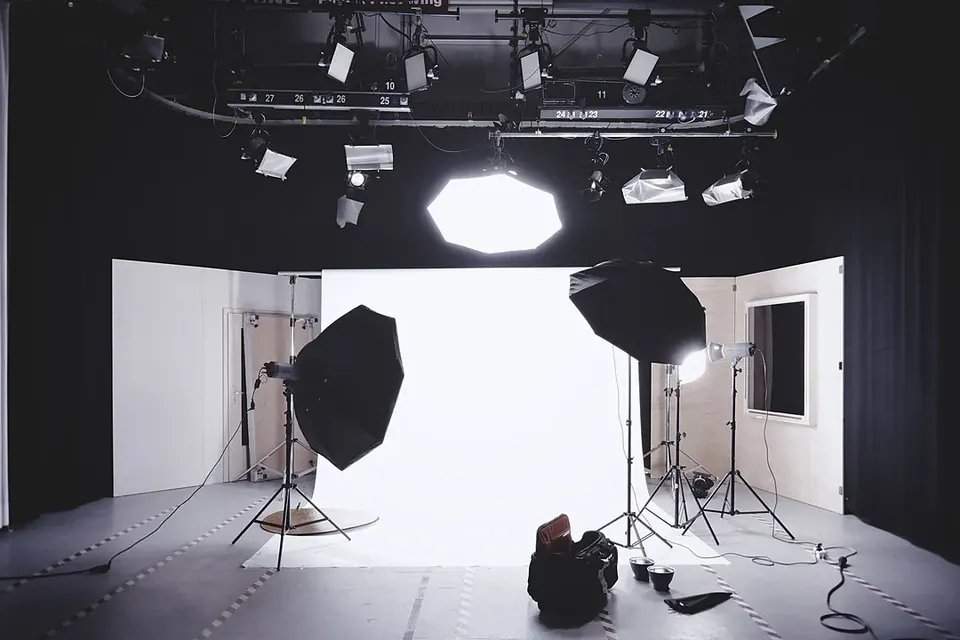
Update your photos whenever your look changes significantly, and certainly when the person in the picture would surprise someone who has just met you. A new haircut, a beard, a change in weight or simply a few years can be enough. Between shoots, a well-lit self-tape set-up, built along the lines of our self-tape guide, will let you check how your current look reads on camera. If you are in the US and self-employed, keep the invoice: headshots are among the work expenses discussed in our guide to tax deductions for actors.
Sources and further reading
- Spotlight, How to get the perfect headshot: choosing a photographer, clothing, make-up, the contact sheet and choosing a main photo.
- US Copyright Office, Circular 30, Works Made for Hire, and Circular 1, Copyright Basics, on authorship and ownership of commissioned works.
- UK Copyright, Designs and Patents Act 1988, on first ownership of copyright by the author of a photograph.
 Reads & auditions
Writing an acting résumé
One page, honest credits, a header a casting assistant can read in two seconds, and a skills list you can prove in the room.
 Reads & auditions
Self-tape setup
Camera, framing, eyeline, light and sound for a clean audition tape without expensive gear.
 Reads & auditions
Choosing an audition monologue
Read the notice, play close to your casting, build a contrasting pair and time it out loud.